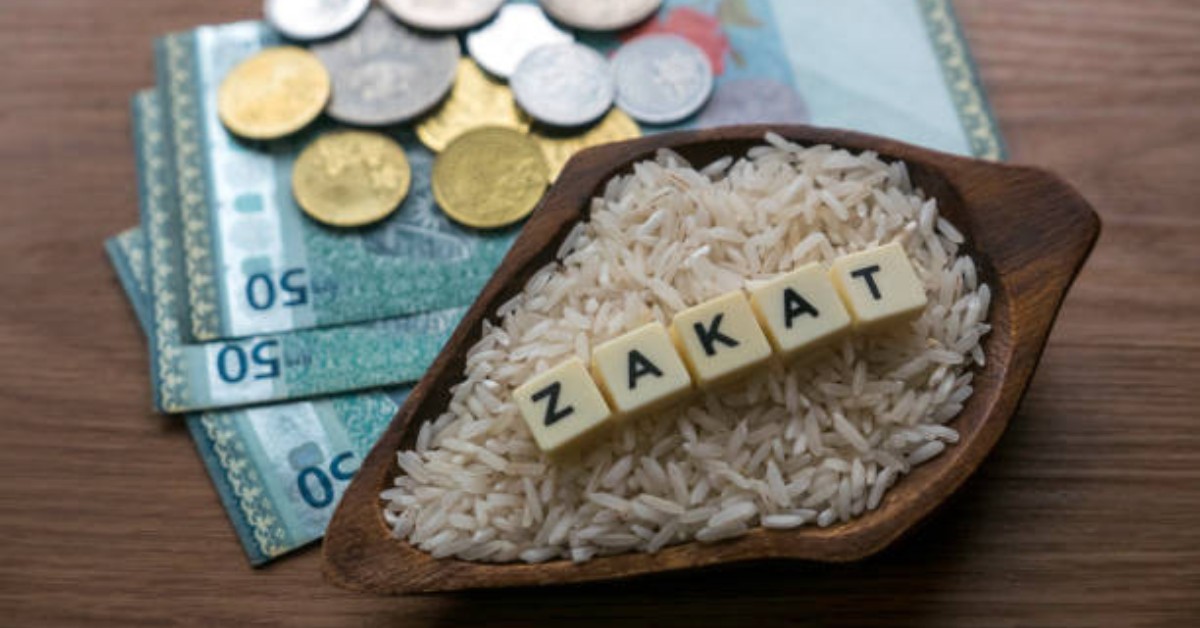
Zakat al-Fitr can be paid in food (the traditional method) or cash (the modern approach), depending on scholarly interpretation and what best serves the poor in your community.
Key Facts About Zakat al-Fitr Payment Methods
- Traditional ruling: One Sa’ (approximately 2.5-3 kg) of staple food like wheat, barley, rice, or dates
- Modern alternative: Cash equivalent based on the current market price of staple food
- Purpose remains the same: Relieve the needs of the poor, especially on Eid day
- Scholarly consensus: Both methods aim to benefit recipients; choice depends on community context
- Recommended amount 2026: Approximately $10-15 per person in North America
Understanding Zakat al-Fitr: The Foundation
Zakat al-Fitr (also called Fitrana or Sadaqah al-Fitr) is a mandatory charity that every Muslim must give before the Eid al-Fitr prayer. The Prophet Muhammad ﷺ established this obligation for two essential purposes:
Purification
To cleanse the fasting person from any shortcomings, idle talk, or minor sins committed during Ramadan
Supporting the Poor
To ensure no one goes hungry on the day of Eid
Abdullah ibn Abbas (may Allah be pleased with him) narrated:
“The Messenger of Allah ﷺ prescribed the Sadaqah (alms) relating to the breaking of the fast as a purification of the fasting from empty and obscene talk and as food for the poor. If anyone pays it before the prayer (of Eid), it will be accepted as Zakat. If anyone pays it after the prayer, that will be a Sadaqah like other sadaqahs (alms).” (Sunan Abi Dawud 1609)
This Hadith establishes both the spiritual significance and practical purpose of Zakat al-Fitr, making it a bridge between worship and social responsibility.
The Traditional Method: Zakat al-Fitr Rice or Money?
The original and most widely accepted form of Zakat al-Fitr payment is in food, based directly on authentic Hadiths from the Prophet ﷺ.
What the Hadith Says
Ibn Umar (may Allah be pleased with them) reported:
“The Messenger of Allah ﷺ made giving a Sa’ of dates or a Sa’ of barley as Zakat Al-Fitr an obligation for all Muslims, slave and free, male and female, young and old, and ordered that it should be given before the people went out to pray (Salat Al-Eid).” (Sahih al-Bukhari 1503)
Abu Sa’id Al-Khudri (may Allah be pleased with him) added:
“We used to pay as Zakat Al-Fitr a Sa’ of food or a Sa’ of barley or a Sa’ of dates or a Sa’ of dried yoghurt or a Sa’ of raisins.” (Sahih al-Bukhari 1506)
What is a Sa’?
A Sa’ is a prophetic measurement roughly equivalent to:
- 2.5 to 3 kilograms of food (approximately 5.5 to 6.6 pounds)
- The amount should be sufficient to feed one person for one day
- The food must be from the staple diet of your local community: rice, wheat, barley, dates, or other commonly consumed grains
The Modern Perspective: Can I Pay Fitrana in Cash?
Many contemporary Islamic scholars permit paying Zakat al-Fitr in cash, arguing that this approach better serves the underlying purpose of the obligation in today’s world.
Why Cash Payment is Considered Permissible
1. Flexibility for Recipients
In modern societies, poor families may need more than just rice or wheat. They might require:
- Medicine for sick family members
- Clothing for children
- Other essential supplies beyond food
Cash gives recipients the dignity and freedom to purchase what they truly need rather than being limited to a single type of grain.
2. Practical Challenges with Food Distribution
Contemporary scholars point out several practical issues:
- Most homes today lack tools to process raw grains (mills, ovens for bread-making)
- Poor recipients often must sell the food they receive at depreciated prices
- Transporting and storing large quantities of food can be logistically challenging
- Food may spoil or go to waste before it can be used
3. Context Matters
Scholars who permit cash payment emphasize that the ruling should consider community circumstances:
When Food is Scarce: In communities where food is hard to obtain, giving actual food is essential, and cash may not help if there’s nothing to buy.
When Food is Abundant: In societies with well-stocked markets and food availability, cash is often more beneficial as it empowers recipients to make their own choices.
Zakat al Fitr Cash or Food: Making Your Choice
Both methods are practiced by Muslims worldwide, and your choice should be guided by what best serves the poor in your community and your own circumstances.
When to Choose Food
Appropriate situations for giving food:
- You live in a community where food is scarce or expensive
- Local Islamic centers organize direct food distribution to known needy families
- You have access to recipients who prefer receiving actual food
- You want to follow the most traditional interpretation of the Sunnah
When to Choose Cash
Appropriate situations for giving cash:
- You’re donating through established charities that work with diverse populations
- Recipients have access to markets but lack financial resources
- You want to give recipients maximum flexibility to meet their needs
- The charity can convert cash to food or other necessities based on immediate needs
How to Pay Your Zakat al-Fitr
Regardless of whether you choose cash or food, proper payment requires attention to specific conditions:
Essential Requirements
1. Timing
- Absolute deadline: Before the Eid prayer begins
- Recommended: Last 2-3 days of Ramadan to ensure timely distribution
- Payment after Eid prayer becomes general Sadaqah, not Zakat al-Fitr
2. Recipients
Zakat al-Fitr must go to the poor and needy, those who lack sufficient resources for their basic needs. Your donation should help them celebrate Eid with dignity.
3. Amount
- One Sa’ of food (2.5-3 kg) OR its cash equivalent per person
- Required for every Muslim in the household, including newborns born before Eid
Making Your Payment
If Giving Food Directly:
- Purchase the required amount of staple food (rice, wheat, dates)
- Distribute to poor families before Eid prayer
- Ensure recipients can actually use what you’re giving
If Giving Cash:
- Calculate based on current staple food prices
- Donate through trusted Islamic organizations
- Specify that payment is for Zakat al-Fitr
Pay your Zakat al-Fitr now through MATW Project and ensure your obligation reaches vulnerable families before Eid, providing them with essential resources to celebrate with dignity.
Frequently Asked Questions About Payment Methods
Can I give half in food and half in cash?
Yes, this is permissible. You can diversify your Zakat al-Fitr payment, giving some family members’ portions in food and others in cash, as long as each payment meets the required amount and reaches the poor before Eid.
If I pay cash, how do I know I’m paying the right amount?
Check with trusted Islamic organizations or local scholars who calculate the current market value of 2.5 kg of staple food in your region. For 2026, most North American organizations estimate $10-15 per person.
Is one method more rewarding than the other?
Both methods, when done with sincere intention and proper conditions, fulfill the obligation. The reward comes from obeying Allah’s command and helping those in need. Choose what genuinely benefits the recipients most.
What if poor people in my community prefer cash, but scholars say only food is valid?
Consult with local scholars who understand your specific community context. Many scholars today recognize that when food is abundant and cash better serves the poor, cash payment is acceptable. Follow the guidance of knowledgeable scholars you trust.
Understanding Related Ramadan Obligations
While Zakat al-Fitr is mandatory for those with basic means, it’s important to distinguish it from other Ramadan obligations like Fidya, which compensates for missed fasts due to illness or other valid reasons.
Additionally, Zakat al-Fitr is different from Zakat al-Maal, the annual 2.5% wealth tax that has different eligibility requirements and timing.
To avoid common mistakes when paying your Ramadan obligations, always verify the type of payment you’re making and ensure it reaches eligible recipients before the deadline.
Conclusion
Whether you choose food or cash, fulfilling Zakat al-Fitr with a sincere intention benefits the poor and purifies your fast. Choose the method that best serves your community’s needs.
For complete guidance on all your Ramadan obligations, including Zakat al-Fitr, Fidya, and Kaffarah, trust MATW Project to handle your donations with complete transparency and Islamic compliance.