People of Gaza overwhelmingly qualify for Zakat as they fall into multiple eligible categories: the poor, the needy, the displaced, orphans, widows, the injured, and those in debt, and your Zakat reaches them through on-the-ground teams delivering food, water, medical aid, and shelter.
Quick Facts About Zakat for Gaza
- People of Gaza qualify: Over 80% of Gaza’s population now lives below the poverty line, making them eligible Zakat recipients
- Multiple eligibility categories: Most people qualify under several categories simultaneously (poor, displaced, injured, debt-ridden)
- Direct ground delivery: On-ground teams inside Gaza bypass border restrictions to deliver relief directly to families
- 100% Zakat policy: Reputable organisations ensure zero administrative deductions from Zakat funds
- Immediate and sustained support: Zakat provides both emergency relief and long-term infrastructure
Understanding Who Qualifies for Zakat in Gaza’s Crisis
The Quran specifies eight categories eligible to receive Zakat in Surah At-Tawbah (9:60): the poor (al-fuqara), the needy (al-masakin), those who collect and distribute Zakat, those whose hearts are being reconciled to Islam, those in bondage, those in debt (al-gharimin), those in the cause of Allah, and travellers in need (ibn al-sabil).
The Poor (Al-Fuqara)
Gaza’s population qualifies under multiple categories simultaneously. Most families fit the first category, the poor, having lost their livelihoods, homes, and any savings they possessed. The ongoing crisis has systematically destroyed Gaza’s economy, leaving over 80% of the population dependent on humanitarian relief for basic survival.
The Needy (Al-Masakin)
The second category, the needy, encompasses those with some resources but insufficient to meet basic needs. In Gaza, even families with remaining assets cannot access adequate food, clean water, or medical care due to the blockade and infrastructure destruction.
Those in Debt (Al-Gharimin)
The fifth category, those in debt (al-gharimin), applies extensively in Gaza, where families have borrowed desperately to survive:
- Medical debts from treating injured family members without functioning healthcare systems
- Debts from attempting to rebuild destroyed homes with scarce, overpriced materials
- Debts from simply buying food at inflated crisis prices when savings ran out
Your Zakat to these debt-ridden families doesn’t enable irresponsibility; it provides life-saving relief to people crushed by circumstances completely beyond their control.
Displaced Persons (Ibn Al-Sabil)
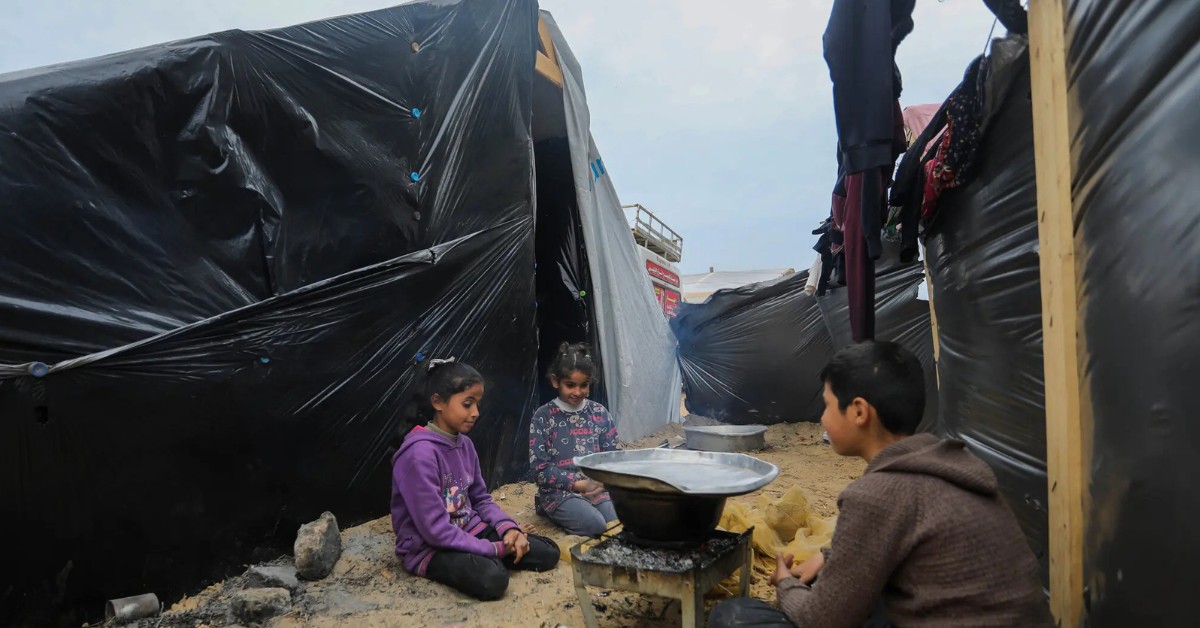
The eighth category, travellers in need (ibn al-sabil), traditionally refers to travellers stranded without resources. Islamic scholars extend this category to displaced persons forced from their homes. Over 1.7 million people of Gaza have been internally displaced, forced to flee their neighbourhoods and shelter in schools or makeshift camps.
Orphans and Widows
While orphans and widows aren’t separate Zakat categories, they fall under the “poor and needy” categories with particular vulnerability. Gaza has thousands of children who’ve lost one or both parents to the conflict, and countless widows who’ve lost their providers. These families face the compound crisis of grief, trauma, and complete economic collapse.
When you donate Zakat to Gaza, you’re supporting the most Islamically deserving recipients imaginable—people who meet multiple eligibility criteria simultaneously and whose survival literally depends on external support.
How Your Zakat for Gaza Actually Reaches Families on the Ground
The key to effective Gaza relief delivery is having established, trusted teams already operating within Gaza itself, not attempting to ship materials across closed borders.
On-Ground Partnerships
MATW Project works with local partners, relief workers, and community leaders who:
- Live in Gaza and understand the landscape
- Have existing relationships with suppliers and distributors
- Can navigate checkpoints and restrictions
- Possess the cultural competency to identify genuine need versus opportunistic requests
What Your Zakat Provides
Your Zakat donation doesn’t sit in bank accounts; it immediately converts into tangible relief:
- Food parcels containing rice, flour, lentils, oil, canned goods, and other staples that feed families for weeks
- Hot prepared meals delivered to displacement camps and areas where families have no cooking facilities
- Clean drinking water through bottle distribution and water well construction
- Medical supplies including wound care materials, medications, and first aid supplies
- Shelter materials like tents, blankets, and basic household items for displaced families
Each category of relief addresses immediate survival needs while maintaining Islamic eligibility for Zakat—all recipients are verified as poor, needy, or otherwise qualifying under the eight categories.
The 100% Zakat Policy and Financial Transparency
MATW Project operates with a 100% Zakat policy, meaning every dollar you designate as Zakat goes entirely to eligible recipients in Gaza. Administrative costs and overhead are covered separately, ensuring your Zakat reaches those who deserve it with complete transparency.
Real Examples of Zakat Impact in Gaza
Understanding the abstract mechanisms of relief delivery helps, but seeing concrete examples brings it to life. Consider how your Zakat creates real impact:
- A widow in northern Gaza who lost her husband and home receives a monthly food parcel from your Zakat, allowing her to feed her four children consistently despite having no income
- An elderly couple displaced to a southern camp receives clean water from a solar-powered well funded by Zakat contributions, preventing waterborne diseases that could be fatal at their age
- An orphaned teenager injured in the conflict receives medical care and prosthetic limb fitting covered by Zakat, restoring mobility and hope for the future
- A family of eight crammed into one room in a relative’s damaged house receives a Zakat-funded shelter kit, allowing them to partition space and maintain dignity
These aren’t hypothetical scenarios; they’re daily realities of how Zakat transforms suffering into survival, despair into hope, and hunger into nourishment.
Ensuring Your Zakat to Gaza Is Effective
Not all organisations handling Zakat maintain equal standards of Islamic compliance. When choosing where to donate Zakat to Gaza, verify that the organisation:
- Maintains strict separation between Zakat and Sadaqah
- Uses qualified scholars or advisors ensuring Islamic compliance
- Provides Zakat-specific records
- Transparently reports how Zakat funds are specifically used (separate from general donations)
- Verifies recipient eligibility according to the eight Quranic categories
Combining Zakat with Sadaqah for Comprehensive Support
While Zakat has specific rules and restrictions, voluntary charity (Sadaqah) offers more flexibility. Consider a strategy of:
- Giving your obligatory Zakat to Gaza for direct recipient support (food, medical care, shelter)
- Also giving Sadaqah to cover infrastructure that benefits the community broadly (rebuilding hospitals, water systems, schools)
This combined approach maximises impact while maintaining proper Islamic distinctions between obligatory and voluntary giving.
Timing Considerations for Gaza Zakat
Some people wait until Ramadan to pay annual Zakat, seeking multiplied rewards during the blessed month. While permissible, Gaza’s acute crisis makes immediate payment beneficial—the sooner Zakat reaches Gaza, the sooner it prevents suffering.
If your Zakat anniversary hasn’t arrived but Gaza’s need is pressing, consider paying early (which is permissible) or giving extra Sadaqah now and paying Zakat when due.
Understanding Zakat Calculations and Eligibility
Before donating to Gaza, ensure you’ve correctly calculated your own Zakat obligation. The Nisab threshold for 2026 determines whether you’re obligated to pay Zakat.
Your Zakat calculation should include all qualifying assets such as savings, gold, and investments. If you’re uncertain about your calculation, use a comprehensive Zakat calculator guide to ensure accuracy.
Remember that Zakat al-Fitr and Zakat al-Maal are different obligations, each with specific rules and timing requirements.
Frequently Asked Questions
Is giving Zakat to Gaza as valid as giving locally?
Yes, absolutely. Islamic law permits giving Zakat to any eligible recipient anywhere in the world. While local priority exists when all else is equal, Gaza’s catastrophic need takes precedence over less urgent local poverty.
How can I be sure my Zakat actually reaches Gaza families and isn’t lost to corruption or mismanagement?
Choose reputable organisations like the MATW Project with transparent reporting, on-ground verification teams, regular audits, and documented distribution records. Avoid organisations without clear accountability systems.
What if Gaza’s situation improves? Will my Zakat still be used appropriately there?
If Gaza’s humanitarian situation significantly improves (making the population no longer eligible for Zakat), reputable organisations will redirect Zakat to other eligible recipients in other crisis zones while informing donors of the reallocation. Your Zakat obligation remains fulfilled as long as it reaches eligible recipients, regardless of specific location.
Other Ways to Support Gaza During Ramadan
Beyond Zakat, consider fulfilling other Ramadan obligations that support Gaza:
- Zakat al-Fitr: Ensure Gaza families can celebrate Eid with food
- Fidya and Kaffarah: Compensate for missed fasts by feeding Gaza’s hungry
- Ramadan Appeals: Support comprehensive relief programs during the blessed month
To avoid common Zakat mistakes, always specify which obligation you’re fulfilling when making donations.
Conclusion
Give Zakat to Gaza with confidence, knowing nearly all residents qualify as eligible recipients and verified organisations deliver your support directly to suffering families.
Fulfil your Zakat obligation while saving lives. Donate your Zakat to Gaza through the MATW Project now and ensure every dollar reaches verified families in desperate need.