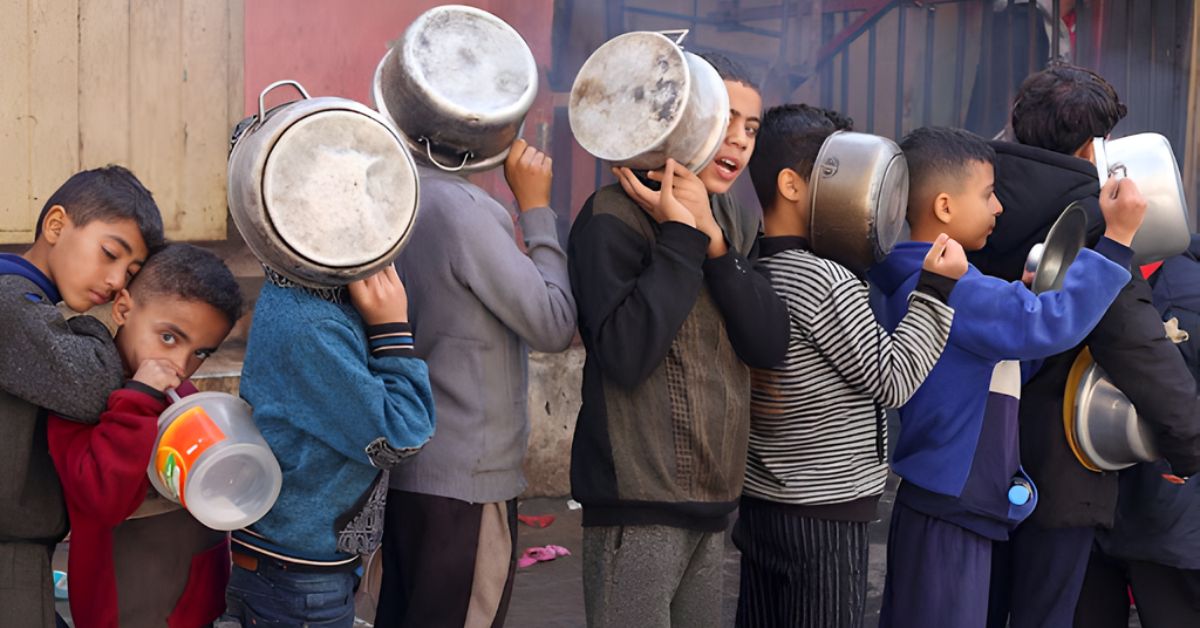
Yes, your Zakat can feed families by providing direct food assistance to poor and needy Muslims who qualify as recipients, ensuring your obligatory charity fulfils both your religious duty and their fundamental right to nourishment.
Quick Facts About Zakat and Food Relief
- Direct to the poor: Zakat must go directly to eligible recipients in specified categories
- Cash or food: Zakat Al-Mal can fund food programs for Zakat-eligible families
- Zakat Al-Fitr: This special Ramadan Zakat can be paid in food staples or their monetary equivalent
- Transfer of ownership: Food relief must involve transferring ownership (tamlik) to recipients
- 828 million hungry: Nearly 10% of the global population faces food insecurity
Can Zakat Be Used for Food?
Yes, but the method depends on which type of Zakat you’re giving. For Zakat Al-Mal, funds can purchase and distribute food to poor and needy Muslims. The charity converts your monetary contribution into food on behalf of eligible recipients. This is a common way for donors to sponsor Iftar meals during the holy month, ensuring the most vulnerable are fed.
For Zakat Al-Fitr, food is the original form of payment. Traditionally paid in staples like dates or wheat, modern scholars agree you can pay the cash equivalent which is then used to provide meals for the poor before the Eid prayer.
Zakat Food Distribution: How It Works Properly
For food relief to be Zakat-compliant, several conditions must be met. First, identifying Zakat-eligible recipients is paramount. Programs must prioritize the poor and needy. Reputable charities identify regions where hunger is severe and distribute ration packs directly to qualifying families.
The crucial element is transferring ownership (tamlik). Trustworthy organisations maintain transparent systems to handle this Amanah, providing feedback reports that confirm your Zakat reached those in need. You can see the reality of these distributions in our volunteer diaries, which document the journey of food packs to remote areas.
Zakat for Poor Families: Addressing Food Insecurity
Your Zakat can fund various food assistance initiatives. One of the most effective methods is the distribution of ration packs, which provide families with staples for weeks. When deciding how to help, many donors look at the impact of grocery vouchers vs food parcels to see which model provides more dignity and efficiency for the recipients.
In crisis situations, Zakat funds provide urgent assistance to those who suddenly cannot meet basic needs. This includes those unable to fast who may be contributing to these programs through their compensatory payments. Whether it is through annual Zakat or seasonal giving, your contribution is a lifeline.
The Spiritual Benefits of Feeding Families
Beyond fulfilling your obligation, using Zakat to feed hungry families brings purification to your wealth. During Ramadan, when rewards are multiplied, giving to feed fasting families maximises your spiritual returns. It develops gratitude and strengthens the bonds of brotherhood within the Ummah.
How to Give Zakat for Food Programs
Making your Zakat benefit hungry families requires a few straightforward steps. First, you should calculate your Zakat accurately to ensure you are meeting the 2.5% requirement on your qualifying assets. Once you have your total, choose a trusted organisation that keeps Zakat funds separate from other donations.
If you have missed fasts to account for, you can also fulfill your Fidyah or Kaffarah through these food relief programs. Many people choose to rectify these obligations after Ramadan to ensure their worship is complete.
Frequently Asked Questions
Can I give Zakat Al-Mal directly in food?
While typically paid in money, you can give funds to organisations that convert it into food for eligible recipients. This ensures compliance while directly addressing hunger.
What is the difference between Zakat and Fidya for food?
Zakat is an annual obligation on wealth. Fidya is a specific payment for those who cannot fast due to permanent illness. Both can be used to fund life-saving food relief.
Conclusion
Your Zakat can feed hungry Muslim families when given to eligible recipients through proper distribution programs. By fulfilling this pillar, you provide nourishment and hope to those in desperate need. Donate your Zakat today and transform lives through the power of shared sustenance.