Accountability in emergencies means humanitarian organisations commit to using their power responsibly by answering to the people they assist, donors, and stakeholders through transparent delivery, audits, and reporting. At MATW, this commitment is part of our sacred Amanah to ensure that every contribution reaches its intended recipient with full integrity.
Quick Facts:
- Affected communities participate in planning and evaluating relief programs from start to finish
- Independent external audits verify financial integrity and compliance with humanitarian standards
- Organisations publish audit findings and performance reports for public transparency
- Safe feedback mechanisms allow communities to report concerns, including fraud and abuse
- Emergency appeal reporting shows both how funds were spent and the real impact achieved
Charity Transparency Gaza: Putting Communities First
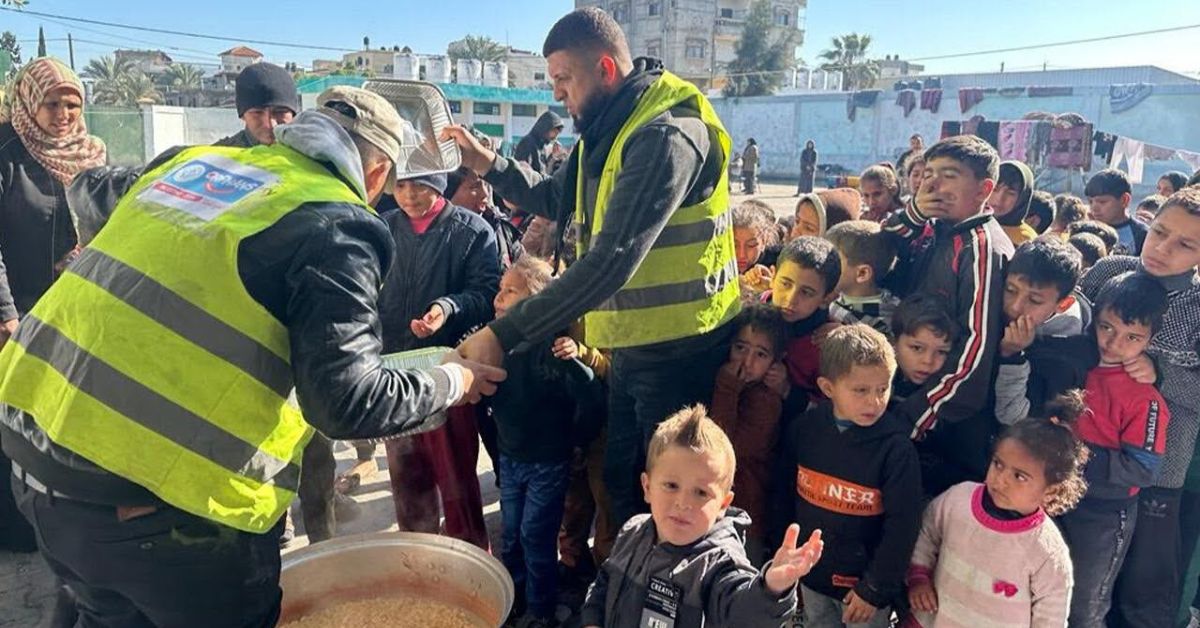
When a crisis unfolds in Gaza or elsewhere, charity transparency begins with the affected people themselves. Humanitarian Organisations demonstrate accountability by ensuring communities understand their rights, participate meaningfully in relief programs, and have channels to voice concerns. This is particularly vital for sensitive programs such as the orphans of Gaza sponsorship, where safeguarding is the highest priority.
Information sharing forms the foundation of this transparency. Organisations provide timely, relevant details about what relief is available, who qualifies to receive it, and the standards that apply. This empowers people to make informed decisions rather than being passive recipients of assistance. For example, during the holy month, Ramadan in Gaza initiatives must be clearly communicated so families know where to access food and medical aid.
Feedback and complaint mechanisms allow for course correction during emergencies and build trust. Protection from sexual exploitation and abuse requires robust measures and clear reporting procedures to ensure that Organisations maintain the highest ethical standards, even when operating under extreme time pressure.
Emergency Appeal Reporting Through Independent Audits
Independent audits provide crucial verification that emergency appeals are managed with financial integrity and compliance. When Organisations launch crisis appeals, they often relax normal financial controls to facilitate rapid response. Audits ensure this speed doesn’t compromise accountability.
Leading humanitarian organisations pursue their commitment to the highest standards of humanitarian work. Post-crisis audits examine emergency spending after the immediate response concludes, identifying any vulnerabilities. This level of oversight is consistent with how MATW selects and monitors all its global projects, ensuring that long-term sustainability is built into every emergency intervention.
How Donations Are Used: Transparent Reporting Mechanisms
Transparent reporting demonstrates exactly how donations are used during emergencies, building confidence with donors and the public. Financial reporting provides clear, accurate statements showing fund allocation and expenditure, ensuring money reaches its intended purposes, whether it is for medical supplies or Zakat-eligible water projects.
Performance and results reporting go beyond counting relief packages. Organisations report on outcomes and impact as experienced by affected populations—whether families feel safer or communities have clean water. Publicly available reports ensure transparency extends to everyone, allowing stakeholders to verify how emergency appeals are managed. To ensure your own contributions are calculated with the same precision, we encourage donors to use our Zakat calculator before donating to a crisis appeal.
Strengthening Accountability Through CHS Commitments
The Core Humanitarian Standard provides nine specific commitments that guide accountable emergency responses. These commitments ensure assistance is appropriate and relevant, reaches people at the right time, and doesn’t negatively impact communities. They require that people know their rights and participate in decisions affecting them.
Humanitarian organisations committed to accountability keep communities at the heart of everything they do. This includes ensuring that seasonal obligations like Zakat al-Fitr for Gaza are distributed efficiently before the Eid deadline. Regular audits confirm continued adherence to these accountability standards and CHS requirements, fulfilling the trust placed in us by the global Ummah.
Frequently Asked Questions
How can I verify that my donation to Gaza emergency appeals is being used properly? Look for charities that share audit findings publicly and provide detailed reporting on both spending and impact. These organisations usually follow strict rules for Zakat distribution to ensure religious compliance.
What mechanisms protect against fraud in emergency responses? Multiple safeguards include independent external audits, internal control systems, and community feedback mechanisms where people can report concerns confidentially.
How do affected communities participate in emergency relief programs? Communities participate through consultation during program planning, ongoing feedback during implementation, and evaluation of results. This ensures that aid reaches those who need it most, providing impactful relief to the most vulnerable.
Conclusion
Accountability transforms emergency responses through transparent delivery, independent verification, and comprehensive reporting that honours both donors and communities served.
Support a transparent mission today. Fulfill your obligations with confidence through the MATW Project.