
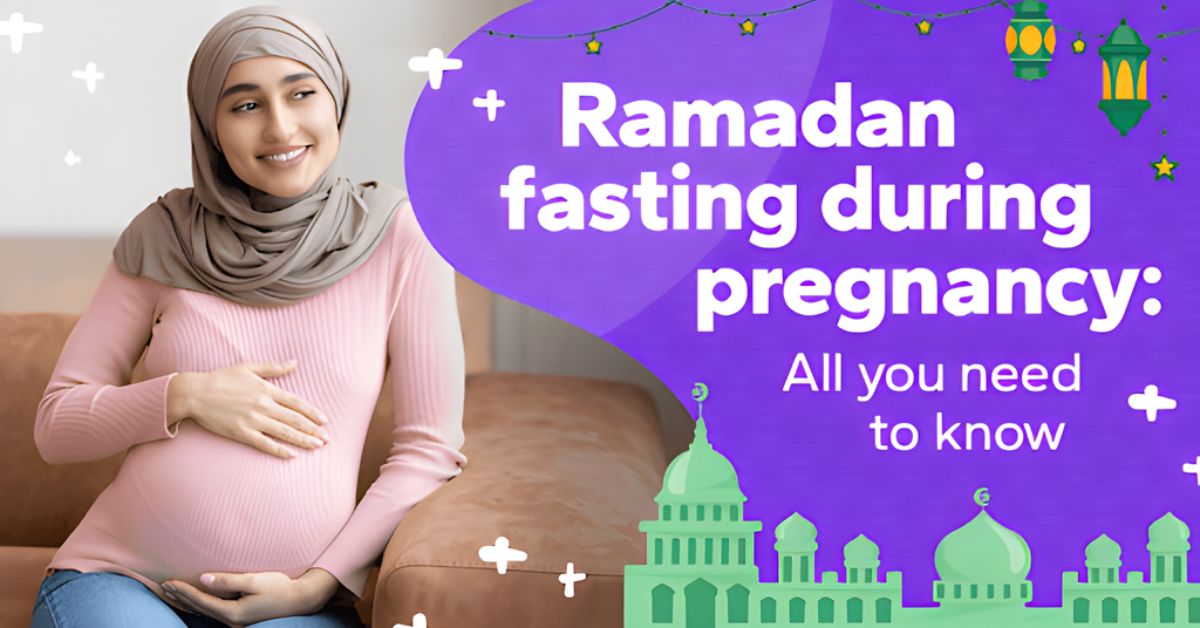
You’re exempt from fasting during pregnancy, breastfeeding, illness, menstruation, old age, or travel. While the Ramadan season is a time of intense worship, Islam provides clear rules for missed fasts, requiring either making them up (Qada) later or paying Fidya if you are permanently unable to do so.
Quick Facts on Fasting Exemptions
- Temporary exemptions require making up fasts (Qada) when able
- Permanent inability requires Fidya (feeding the poor)
- Travel over 80km qualifies for a valid exemption
- Chronic illness exempts you from the physical makeup of fasts
- Deliberately breaking fasts without excuse requires Kaffarah
Understanding Pregnant Fasting Ramadan Rules
Pregnant fasting during Ramadan rules prioritize the health and safety of both mother and baby. If fasting poses any risk to your health or your baby’s development, Islam grants you a clear exemption. The preservation of life takes precedence in Islamic law.
When you’re exempt due to pregnancy, your primary responsibility is Qada. However, if ongoing circumstances prevent you from ever catching up, then paying Fidya becomes the required alternative. This ensures that even if you cannot fast, you are still contributing to the welfare of the Ummah.
Traveler Fasting Rules and When Distance Matters
Traveler fasting rules provide clear guidance for Muslims away from home. If you’re traveling a distance of 80 kilometers or more, you’re permitted to break your fast. Your responsibility is to make up every missed day once you return home. If you find yourself needing to rectify these days after the month has concluded, you can follow our guide on how to pay missed fasts to ensure your religious duties are fulfilled.
Illness Fasting Exemption: Temporary vs. Permanent Conditions
The illness fasting exemption depends on whether your condition is temporary or permanent. Temporary illness grants you exemption with the expectation of Qada. Once you’ve healed, you make up each missed day. Conversely, chronic illnesses follow different rules.
If you have a permanent condition that makes fasting medically dangerous, you must fulfill your Fidyah obligation. This contribution directly supports programs that sponsor Iftar meals for those in need. Protecting your health is an Amanah (trust), and finding these alternative ways to worship demonstrates sincere faith.
FAQ
Do I pay Fidya or make up fasts if I’m pregnant? If pregnant, your primary duty is Qada once you’re able. Fidya is only for situations where you cannot make up the missed fasts due to chronic health issues or back-to-back pregnancies.
What’s the difference between Fidya and Kaffarah? Fidya is compensation for inability. Kaffarah is atonement for deliberately breaking a fast without a valid reason. You can calculate your specific requirements using a Zakat calculator to ensure accuracy.
Is my donation Zakat eligible? Many donors ask if their food aid contributions qualify. You can learn more about when Zakat is eligible for food relief to ensure your Zakat is distributed according to Shariah.
Conclusion
Exemptions exist to protect your health while offering alternative ways to fulfill your obligations. Whether you are providing grocery vouchers or food parcels through your Fidya, your contribution makes a difference. You can read our volunteer diaries to see the real-world impact of your generosity.
Fulfill your religious duty today. Pay your Kaffarahor Fidya through the MATW Project and help feed families in need.