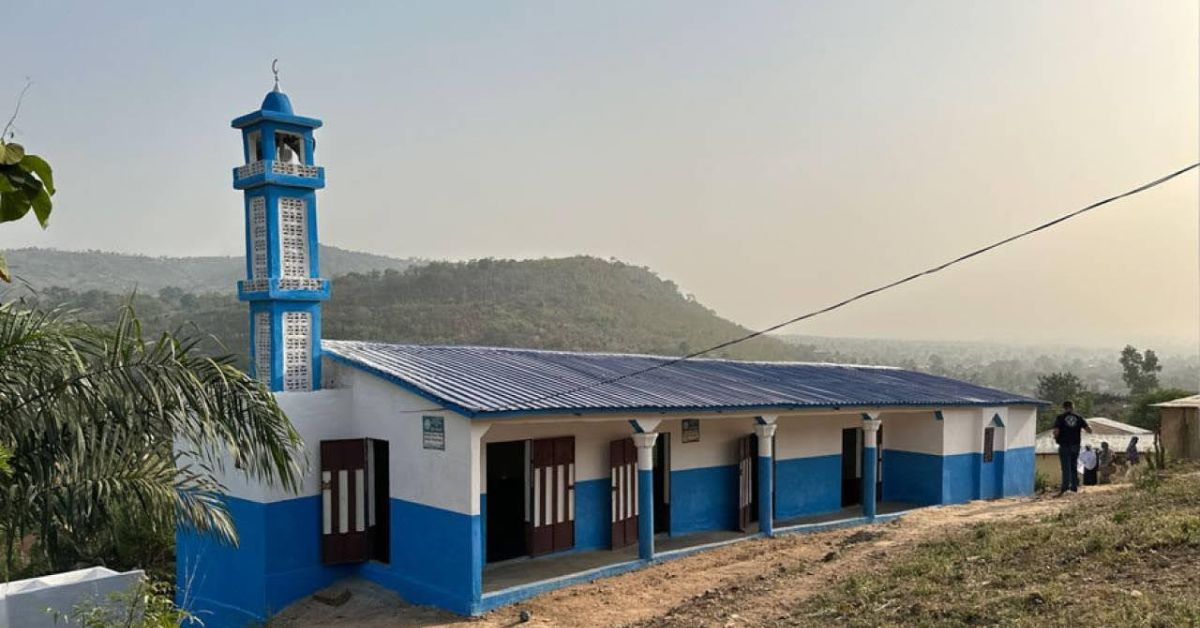
When you sponsor a prayer area, you establish a legacy of Sadaqah Jariyah that transforms a raw construction site into a sacred sanctuary for generations of worshippers.
Quick Facts
- Continuous Reward: Sponsoring a specific prayer space (Musalla) ensures you earn the reward for every prostration and Quranic recitation made in that spot forever
- Structured Progress: A typical mosque project story moves through five phases: planning, foundation, structural shell, interior finishing, and the grand opening
- Community Hub: Modern Masjids serve as more than prayer halls; they are classrooms, meeting spaces, and libraries that strengthen community ties
- Transparency Matters: High-quality projects use professional contractors and project managers to ensure every donation is used efficiently and according to local building codes
The Impact When You Sponsor a Prayer Area
Deciding to sponsor a prayer area is one of the most beloved forms of charity in Islam. The Prophet ﷺ said:
“Whoever builds a mosque for Allah, Allah will build for him a house in Paradise.” [Bukhari and Muslim]
While building an entire mosque is a massive undertaking, sponsoring a specific section—a Musalla—allows individuals and families to participate in this immense reward at a manageable scale.
More Than Just a Patch of Carpet
A sponsored prayer area is not just a patch of carpet; it is a dedicated space for spiritual reflection. By providing the funds for a specific area, you are essentially providing:
- The foundation and structural support
- The walls that provide shelter and dignity
- The lighting that enables worship at all hours
- The prayer rug that facilitates a believer’s connection with their Creator
This is why many donors choose to donate to MATW in the name of deceased loved ones, ensuring that the rewards continue to reach them in the Barzakh (realm between death and resurrection).
Understanding Zakat vs. Sadaqah for Mosque Projects
Before committing to a mosque sponsorship, it’s important to understand the scholarly rulings on using Zakat versus Sadaqah for construction:
According to most Islamic scholars, Zakat cannot be used for mosque construction as it must go to the eight specific categories mentioned in the Quran. For a detailed explanation of this ruling, read our comprehensive guide on whether Zakat for Masjid construction is permissible.
This means mosque sponsorships should be funded through voluntary Sadaqah, which offers unrestricted spiritual rewards. Before allocating your charitable budget, use our Zakat calculator to determine your obligatory charity first, then dedicate additional funds to mosque construction as Sadaqah.
Following the Sponsor Masjid Construction Stage: The Foundation
The first sponsored Masjid construction stage is often the most critical yet least visible. It begins with a comprehensive community needs assessment.
Planning and Site Selection
Before the first brick is laid, a committee must determine:
- The size of the mosque based on local population density
- The location for maximum accessibility
- Zoning laws and permit requirements
- Accessibility for the elderly and those with disabilities
- Parking and transportation considerations
Site selection involves navigating complex zoning laws and ensuring the location serves the community’s needs for decades to come.
Architectural Design Phase
Once the site is secured, the architectural design phase begins. This is where the vision comes to life. Architects must balance:
- Traditional Islamic aesthetics (domes, minarets, geometric patterns)
- Modern building codes and safety requirements
- Energy efficiency and sustainability
- Future expansion possibilities
When the design is finalised and permits are obtained, the physical work begins with the foundation.
Breaking Ground
This involves significant excavation and structural engineering to ensure the building is safe and durable. The foundation must account for:
- Soil conditions and load-bearing capacity
- Drainage to prevent water damage
- Seismic requirements in earthquake-prone areas
- Underground utilities (water, sewage, electrical)
For a donor, seeing the “first pour” of concrete is a powerful moment in the mosque project story, as it represents the solidifying of their intention into a physical reality.
The Mosque Project Story: From Bricks to Minarets
As the construction moves from the foundation to the structural shell, the mosque project story becomes a source of inspiration for the entire neighbourhood.
Raising the Walls
This stage involves:
- Constructing load-bearing walls and columns
- Installing the roof structure
- Building the iconic minaret (if included in the design)
- Constructing the dome (where applicable)
- Installing windows and exterior doors
Quality Control and Construction Management
During this phase, quality control and construction management are paramount. A project manager oversees the contractors to ensure that:
- Materials used are of the highest quality
- The project remains on budget and on schedule
- Safety standards are maintained for workers and future users
- Building codes are followed meticulously
Sustainability Considerations
Sustainability is a key consideration in modern Masjid buildings. By incorporating:
- Energy-efficient LED lighting
- Solar panels for electricity generation
- Water-efficient plumbing for wudhu areas
- Sustainable building materials (recycled, locally sourced)
- Proper insulation to reduce heating/cooling costs
The committee can reduce future operating costs, allowing more community funds to go toward educational programs rather than utility bills.
Witnessing the Structure Take Shape
As the building takes shape, the first phase of the prayer hall becomes visible. This is often the time when fundraising efforts peak, as the community can see the tangible results of their contributions.
The sight of the structure rising toward the sky serves as a beacon of hope and a symbol of unity for the Ummah.
The Final Transformation: Interior Design and Furnishing
The transition from a construction site to a House of Allah happens during the interior design and furnishing stage. This is often the most rewarding sponsor Masjid construction stage for donors to witness.
Creating a Serene Environment
The interior design concept must complement the architecture, using light and colour to create a serene environment conducive to Khushu (devotion in prayer).
Essential Elements of the Interior
The Prayer Hall
Designed to accommodate the maximum number of worshippers with:
- Clear lines of sight to the Mihrab (prayer niche indicating Qibla direction)
- Proper acoustics for the Khutbah (sermon)
- Adequate lighting that’s not harsh or distracting
- Climate control for year-round comfort
The Wudhu Area
A designated space with adequate facilities for cleansing, designed for:
- Hygiene and cleanliness
- Water efficiency (low-flow faucets)
- Accessibility for all ages and abilities
- Proper drainage and ventilation
Community Spaces
Classrooms and meeting rooms that turn the building into a centre for learning:
- Islamic education for children and adults
- Community meetings and events
- Library and reading rooms
- Counseling and support services
Furnishing: The Final Touch
Selecting high-quality prayer rugs and carpets that provide:
- Comfort for the knees and forehead during Sujood (prostration)
- Durability for heavy use over many years
- Beautiful Islamic patterns that enhance the spiritual atmosphere
- Appropriate thickness and cushioning
When you sponsor a prayer area, your contribution directly covers the costs of these beautiful finishes.
The placement of the carpets and the installation of the Mihrab signify that the project is nearing completion. The raw concrete is covered by soft rugs and elegant calligraphy, transforming the atmosphere into one of peace and tranquillity.
For those interested in supporting existing mosques, you can also contribute to Masjid renovation projects like replacing carpets and roofing as an alternative form of Sadaqah.
The Spiritual Climax: The First Salah
Every mosque project story reaches its peak with the first Salah. After months or years of planning, fundraising, and construction, the doors are finally opened.
The First Adhan
The sound of the Adhan (call to prayer) ringing out from the new minaret is a moment of profound joy. For many communities, especially in non-Muslim countries, this represents:
- The establishment of Islamic identity in the area
- A call to worship that can be heard by all
- A declaration of faith and unity
- A welcoming beacon for Muslims in the neighborhood
Rows of Believers
For those who chose to sponsor a prayer area, this moment is a realisation of their investment in the hereafter. Seeing rows of believers standing shoulder to shoulder in a space you helped build is an incomparable feeling.
The mosque becomes a symbol of faith and hope, providing:
- A sanctuary for the youth to learn Quran and Islamic values
- A place for the elderly to find companionship and spiritual comfort
- A support network for the needy to find assistance
- A gathering place for the community to strengthen bonds
The Impact Beyond the Walls
The impact of your donation extends far beyond the physical walls; it nourishes the soul of the community. Every prayer offered, every verse recited, every lesson taught becomes a source of continuous reward for those who contributed.
Comparing Mosque Sponsorship to Other Legacy Projects
Sponsoring a prayer area is one of several impactful ways to create ongoing rewards for yourself or a loved one.
Understanding Your Options
If the full cost of a mosque sponsorship exceeds your budget, consider these alternatives that also establish powerful Sadaqah Jariyah:
Water Well Sponsorship
You can name a water well in memory of a deceased relative at a lower entry point while still establishing continuous charity. Water wells provide:
- Life-saving clean water to poor communities
- Ongoing rewards for every person and animal that drinks
- Lower initial costs (often $1,000-$5,000 depending on region)
- Personalized plaques like mosque sponsorships
To understand the different water solutions available, read our comparison of hand pump vs borehole donations and water well donation costs.
Orphan Sponsorship
Supporting orphan sponsorship programs provides monthly support that transforms children’s lives. This form of ongoing charity includes:
- Regular monthly commitment (often $50-$100/month)
- Direct impact on a specific child’s education, health, and wellbeing
- Updates and reports on the child’s progress
- Opportunity to support orphans in crisis zones like Gaza
Full Mosque Naming
If you have the resources and desire to sponsor an entire mosque, you can learn about naming a Masjid after a loved one and the complete process involved, including detailed cost breakdowns in our guide on Masjid construction donation costs.
Choosing the Right Project
Both mosque and water projects provide communities with essential resources and generate continuous rewards. The choice depends on:
- Your budget and charitable capacity
- Your personal connection to the cause
- The specific needs of communities you want to serve
- Whether you’re using Zakat (water wells are eligible) or Sadaqah (mosques require voluntary charity)
Seasonal Giving Opportunities
Many donors choose to make significant charitable contributions during blessed times of the year when rewards are multiplied.
Ramadan Giving
The month of Ramadan is an ideal time to commit to mosque sponsorship as part of your Ramadan donations. Consider also supporting:
- Ramadan relief in Gaza with Iftar meals and medical aid
- Fitrana (Zakat al-Fitr) for those in need before Eid
- Fidyah if you’re unable to fast due to health reasons
- Kaffarah if you need to make up for broken fasts
Mini-FAQ: Common Questions About Masjid Sponsorship
Can I sponsor a prayer area in memory of someone else?
Yes. Many donors choose to sponsor a Musalla or a specific section of a mosque as Sadaqah Jariyah for their parents or late relatives. It is a beautiful way to ensure they receive ongoing rewards for every prayer offered in that space. Learn more about naming a Masjid after a loved one.
How do I know my donation is being used for the specific construction stage?
Reputable charities provide regular updates and “photo stories” of the sponsor Masjid construction stage. Transparency is a pillar of Islamic finance; ensure you receive reports on site progress, architectural milestones, and financial expenditures. Organizations committed to Amanah maintain complete accountability.
What is the most important part of a mosque project story?
While the building is essential, the “heart” of the story is the community. A mosque project is successful only when it fosters unity and provides a space that serves the local people’s spiritual and social needs. The physical structure is merely a vessel for the spiritual and social transformation that occurs within.
Is it better to build a new mosque or repair an old one?
Both carry immense rewards. If a community has no place to pray, building a new one is vital. However, restoring a dilapidated mosque ensures that an existing house of Allah remains a safe and dignified place for worship. Consider supporting mosque renovation projects if you want to help existing structures.
Can I use Zakat to sponsor a prayer area?
According to the majority of Islamic scholars, Zakat cannot be used for mosque construction as it must go to the eight specific categories mentioned in the Quran. Read our detailed explanation of whether Zakat for Masjid construction is permissible. Instead, use voluntary Sadaqah for mosque sponsorship and direct your Zakat to other deserving causes like water wells or orphan support.
How long does a mosque construction project typically take?
Depending on size and complexity, mosque construction can take anywhere from 6 months for a small community prayer space to 2-3 years for a large multi-purpose Islamic center. Factors affecting timeline include:
- Permit approval processes
- Weather conditions in the region
- Availability of materials and labor
- Fundraising progress
- Architectural complexity
Ensuring Accountability and Transparency
When sponsoring a prayer area, it’s crucial to work with organizations that maintain the highest standards of accountability.
What to Look For
- Regular updates: Photo and video documentation at each construction stage
- Financial transparency: Detailed breakdowns of how funds are allocated
- Third-party audits: Independent verification of charitable work (see our charity accountability practices)
- Clear communication: Responsive team that answers questions and provides information
- Completion reports: Final documentation with photos, beneficiary counts, and impact metrics
MATW’s commitment to Amanah (100% donation policy) means every dollar you contribute goes directly to the project, with administrative costs covered separately.
Conclusion
Building a mosque is a noble endeavour that requires careful planning and immense dedication. By choosing to sponsor a prayer area, you create a lasting legacy of faith.
This sacred space will stand as a symbol of unity, serving the Ummah for generations to come. Every time someone prays in the space you helped create, you receive the reward—long after you’ve left this world.
Whether you sponsor a small prayer area in a community center or contribute to a grand mosque, your contribution plants seeds of faith that will bear fruit for decades, if not centuries.
Ready to begin your mosque sponsorship journey? Contact MATW today to learn about current projects and how you can make a lasting impact.