
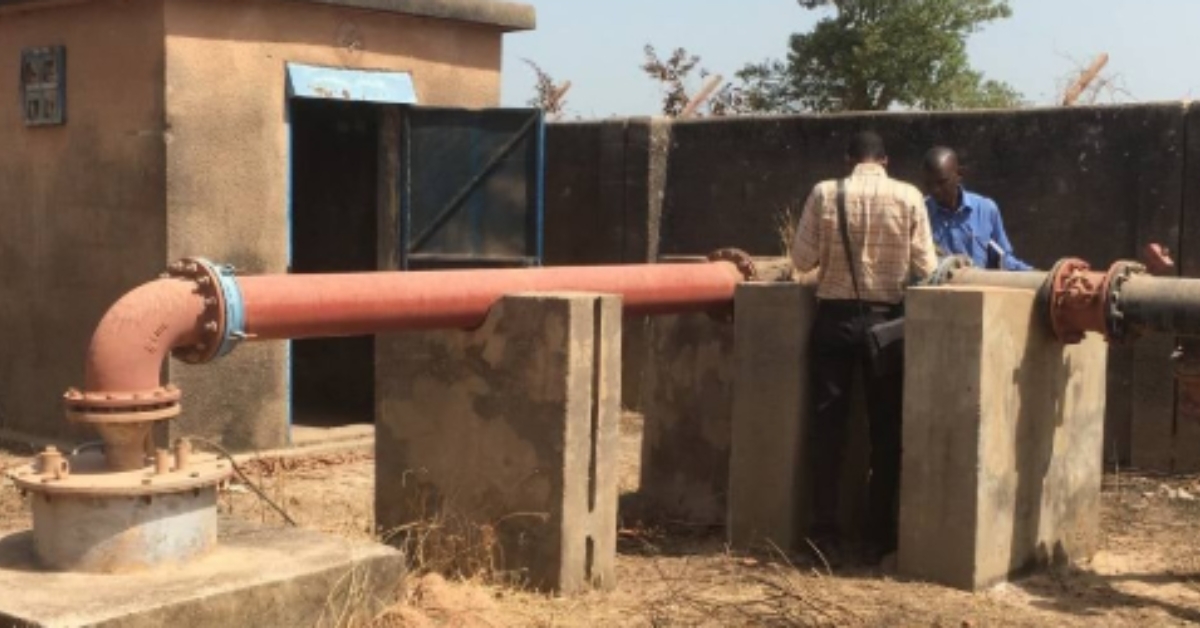
Hand pump donations have lower initial costs but face higher maintenance challenges, while borehole donations require a larger upfront investment but deliver better long-term reliability and service levels for communities.
Quick Facts
- Hand pumps cost $50-$4,000 per installation, depending on depth and region, serving approximately 55 households
- Mechanically drilled boreholes cost around $14,000 or more, but provide higher service levels that increase user willingness to pay
- Between 30-40% of hand pumps may be non-functional at any time in some regions due to maintenance failures
- Hand pump mechanisms last 3-15 years, while borehole structures can function for over 25 years
- Annual operational expenses for hand pumps range from $700-$1,000 per pump, with frequent breakdowns
Hand Pump Donation: Initial Investment and Coverage
When considering a hand pump donation, the initial cost appears attractive compared to other water solutions. Hand pumps themselves can be relatively inexpensive, with models like the India Mark II costing approximately $1,000 when installed with all components. However, the total project cost varies significantly based on geological conditions, drilling depth, and regional factors.
Manual boreholes equipped with hand pumps generally range from less than $50 to around $4,000 per installation. This wide variation depends on whether communities are working with shallow wells in favourable conditions or deeper boreholes in challenging terrain. The lower end of this range makes hand pump donations accessible for organisations and donors working with limited budgets.
Cost Per Family: The Real Calculation
The cost per family for hand pump donations is lower initially because one pump typically serves around 55 households, enabling donors to help more families with the same budget. However, true affordability depends on who bears the costs.
In Ethiopia, for example, imported hand pumps meant families would pay approximately 11% of their annual income—more than double the World Bank’s recommended 5% maximum. This financial burden often leads to abandonment when repairs are needed.
When Hand Pumps Work Best
Hand pump donations work best where communities have:
- Access to local mechanics with technical training
- Reliable spare parts supply chains
- Established financial mechanisms for maintenance funds
- Strong community organization and leadership
Without these structures, initial cost savings evaporate through repeated breakdowns and extended periods without safe water. For a comprehensive comparison of water solutions, explore water well donation costs including hand pump and solar options.
Borehole Donation: Higher Investment, Superior Service
Borehole donations involving mechanically drilled wells represent a significantly higher initial investment, with total project costs typically around $14,000 or more. This substantial difference reflects the specialised equipment, skilled labour, and comprehensive infrastructure required for mechanised systems.
However, this higher investment delivers a superior level of service that fundamentally changes how communities access water.
The Service Level Advantage
Mechanically drilled boreholes can support piped water systems, reducing the physical effort required to collect water and enabling faster fill times. This convenience factor is not merely about comfort; it directly impacts health outcomes by:
- Encouraging increased water consumption
- Improving hygiene practices (more water for handwashing, cooking, cleaning)
- Freeing women and children from hours of daily water collection
- Enabling small-scale agricultural irrigation
Financial Sustainability Through Quality
Communities receiving borehole donations show greater willingness to pay higher tariffs because the service level justifies the cost. This creates more reliable funding for maintenance compared to community-based systems with irregular contributions.
The borehole structure offers exceptional longevity, lasting over 25 years when properly constructed. Paired with professional maintenance, these installations provide consistently high functional rates, enabling families to depend on safe water year-round.
Professional Maintenance Models
Mechanically drilled boreholes require centralised maintenance systems with skilled teams and specialised equipment, but preventative approaches significantly reduce breakdown frequency despite higher individual repair costs. Organizations committed to Amanah (trustworthiness) ensure that maintenance is factored into project budgets from the outset.
Hand Pump vs Borehole: Maintenance Reality
The maintenance comparison between hand pump and borehole donations reveals the most critical differences in long-term sustainability.
The Hand Pump Maintenance Challenge
Hand pumps were designed for community-based management, relying on local mechanics and village-level caretakers to perform repairs. This model looks ideal on paper, but it frequently fails in practice.
The India Mark II pump, despite being the world’s most widely used hand pump with over five million installations, demonstrates these challenges clearly. In 1986, over one million India Mark II pumps were reported broken down across India alone. In African contexts, the situation proves even more challenging due to less developed local repair networks and difficulty accessing spare parts.
The Training Gap
Village-level operation and maintenance pumps like the Afridev were specifically developed to be repairable by trained community members. Training programs have prepared thousands of caretakers, many of them women, to maintain these systems.
However, real-world experience shows that many technical problems exceed caretaker capabilities, including:
- Issues with PVC rising mains
- Pump rod connections and alignments
- Seal replacements requiring specialized tools
- Below-ground component failures
The Spare Parts Crisis
The spare parts supply chain presents another persistent challenge. Even when caretakers have the skills to perform repairs, obtaining replacement parts in remote areas can take weeks or months.
Questions about who stores parts, how payment is collected, and whether nominal charges should be levied remain unresolved in many contexts, leading to systems where pumps stay broken while spare parts sit unused elsewhere.
Borehole Maintenance: The Professional Approach
Borehole maintenance, while more expensive per incident, benefits from professionalised approaches. Dedicated maintenance teams with proper equipment can respond more effectively, and the higher service level generates revenue that funds these professional services.
For donors concerned about long-term functionality, choosing to sponsor water well repairs as part of your initial commitment ensures communities have dedicated funds to address inevitable technical issues before they become crisis-level breakdowns.
The key is establishing robust financial models and maintenance contracts from the outset rather than hoping community contributions will suffice.
Sustainability: The Long-Term Perspective
Sustainability in water provision requires interventions that communities can support and maintain over extended periods with minimal outside assistance. Both hand pump and borehole donations face sustainability challenges, but in different ways.
Hand Pump Sustainability Challenges
Hand pump donations struggle most with the gap between design intentions and implementation reality. The assumption that village-level maintenance would prove feasible hasn’t held up across diverse contexts.
Remote communities in mountainous regions or across savannah lands may wait weeks or months for outside technical assistance when their pump fails beyond local repair capacity.
The Financial Sustainability Gap
Hand pump financial sustainability proves problematic, with annual expenses of $700-$1,000 per pump that community financing often cannot reliably provide. This funding gap drives the 30-40% non-functionality rates in some regions.
Borehole Success Factors
Borehole donations achieve better outcomes through:
- Comprehensive service delivery models
- Clear institutional responsibilities
- Professional maintenance contracts
- Cost-reflective tariffs that communities can afford
The higher initial investment generates ongoing revenue needed for sustainability.
Context Matters
Local context determines the best approach. Hand pumps succeed in areas with established repair networks and reliable spare parts supply. Where these don’t exist, borehole systems with professional maintenance offer more reliable solutions.
Before making your decision, you might want to compare hand pumps vs boreholes in terms of which solution best fits the specific community you’re serving.
Making Your Water Donation Count
Whether you choose a hand pump or borehole donation, the goal is the same: providing sustainable, clean water to communities in need.
Consider Memorializing Your Impact
Many donors choose to name a water well in memory of a loved one, creating Sadaqah Jariyah (ongoing charity) that benefits both the living and the deceased. This option is available for both hand pump and borehole projects.
Zakat Eligibility for Water Projects
Both hand pump and borehole donations can be Zakat eligible when they directly benefit the poor and needy—which is the case in most of the communities MATW serves. Unlike infrastructure that serves the general public, wells in impoverished villages provide life-saving water to specific Zakat-eligible recipients, making them permissible under Islamic jurisprudence according to the majority of scholars.
For detailed information about using Zakat for water projects, read our comprehensive guide on water well Zakat eligibility conditions.
Frequently Asked Questions
What makes hand pump donations less expensive initially?
Hand pump donations cost less upfront because the pumps themselves are simpler technology with lower material costs, and manual or smaller-scale drilling methods reduce installation expenses. Total costs range from $50-$4,000 compared to $14,000+ for mechanically drilled boreholes, making them accessible for budget-conscious projects.
Why do hand pumps break down so frequently?
Hand pumps face frequent breakdowns due to technical issues with components like PVC rising mains, pump rod connections, and rubber seals, combined with inadequate village-level maintenance capacity. Spare parts supply chain difficulties and a lack of skilled repair support mean problems often go unresolved for extended periods.
Are borehole donations worth the higher cost?
Borehole donations justify higher costs through superior service levels, greater longevity (25+ years for the well structure), and better long-term reliability. Communities receive piped water systems requiring less physical effort, which increases willingness to pay maintenance tariffs, creating more sustainable funding models than hand pump systems typically achieve.
How can donors ensure their water project remains sustainable?
Donors should evaluate local maintenance capacity, spare parts availability, and financial mechanisms before choosing between hand pumps and boreholes. Sustainable projects require either strong community-based systems with reliable support networks for hand pumps or professional maintenance contracts with clear institutional responsibilities for boreholes. Consider organizations with proven accountability and transparency standards.
Can I use Zakat funds for hand pump or borehole donations?
Yes, water wells can be Zakat eligible when they directly benefit the poor and needy, which is the case in most of the communities MATW serves. Unlike infrastructure that serves the general public, wells in impoverished villages provide life-saving water to specific Zakat-eligible recipients, making them permissible under Islamic jurisprudence according to the majority of scholars.
What about solar-powered water systems?
Solar-powered pumps represent another option that can work with both hand pumps and boreholes. Learn more about water well donation costs including solar pump options to understand which technology best fits your budget and the community’s needs.
Conclusion
Choosing between hand pump and borehole donations requires balancing initial affordability against long-term sustainability, maintenance capacity, and service quality for lasting community impact.
While hand pumps offer lower entry costs, boreholes provide superior reliability and service levels that can transform entire communities. The best choice depends on local context, available support systems, and your commitment to long-term sustainability.
Whatever you choose, ensure you’re working with organizations committed to transparency and accountability in water provision.